
The space between the sale and the work

Over the years, I’ve helped agency teams map the process from business development through account management and into project delivery.
I’m doing it again with an agency right now. They’re growing, using more outside resources, and trying to get better about how they pace and staff projects. So we took another look at what happens between winning the work and actually being ready to start it.
On paper, it seems pretty straightforward. Biz dev makes the sale; account management takes over the relationship; project management takes ownership of the scope and delivery; the team is assembled; everyone is introduced; and work begins.
If only it were that simple! But there’s a lot happening between those steps, and that’s usually where things get messy.
Agencies don't sell products
When you sit down to tackle this challenge in an agency, the first agreement you have to make is that the sales process at an agency is rarely predictable. One prospect takes six months to close. Another wants to start in two weeks. Procurement shows up late. The scope changes three times. A deadline becomes immovable. Someone promises something on a call that never makes it into the SOW.
That's because agencies don't sell the same product over and over. We sell engagements, and every engagement comes with context. There are project goals, timelines, stakeholders, personalities, expectations, assumptions and decisions that have accumulated throughout the sales process. Even staffing can depend on the nuances of what the client needs and how they want to work.
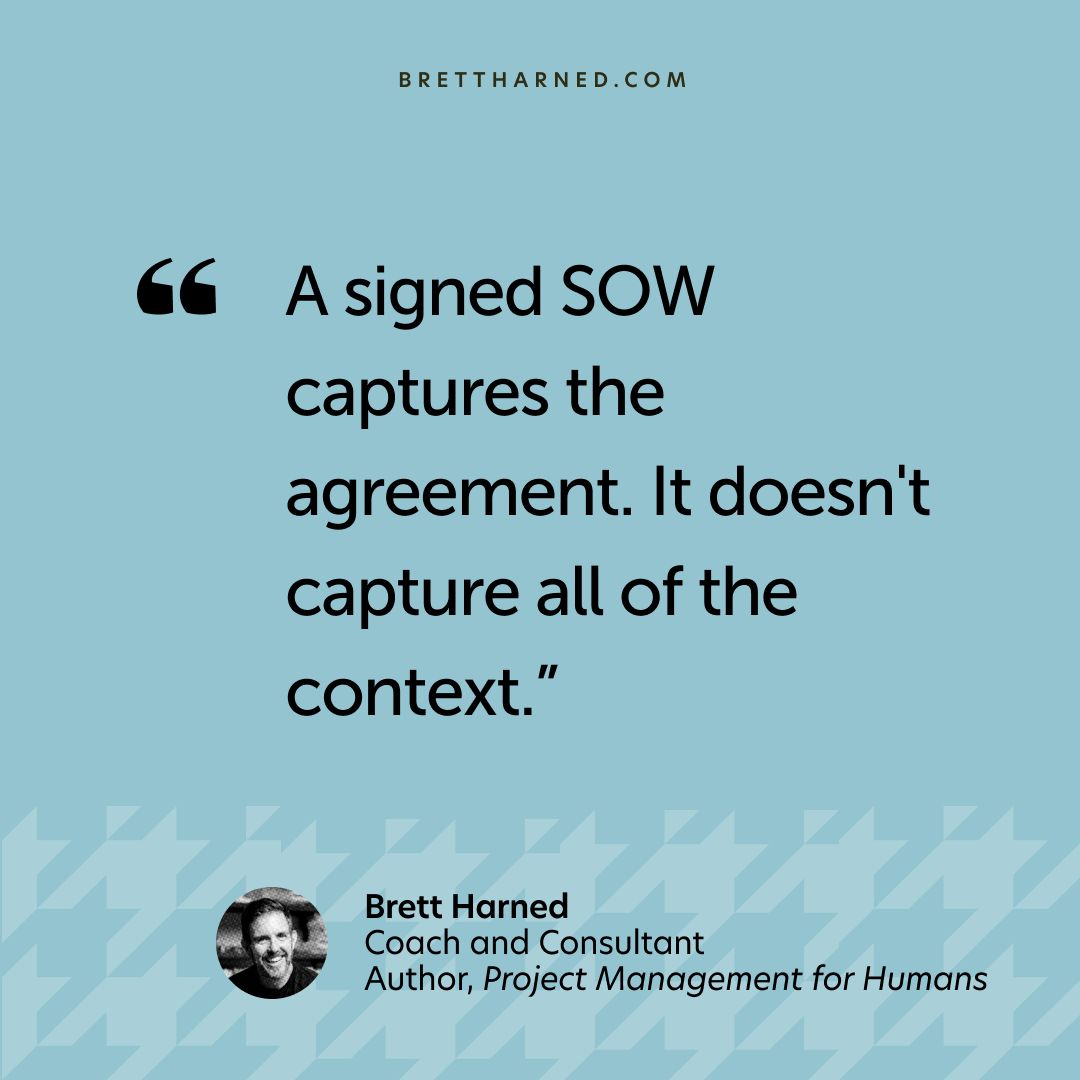
A signed SOW captures the agreement. It doesn't capture all of that context. That's why the handoff matters.
Winning the work doesn't mean you're ready to start it
Agencies tend to move very quickly from "we won" to "let's schedule the kickoff." I understand why! It's usually because the client is excited, the agency is excited, there's a deadline, and everyone wants to show momentum. Especially after the process has taken months.
But there should be a stage between selling the work and doing the work.
That's where the agency confirms the scope, transfers context, assembles the right team, and makes sure everyone understands what was sold and why. It's also where business development can intentionally transition the relationship rather than disappear as soon as the contract is signed.
This doesn't need to take weeks. It just needs to exist.
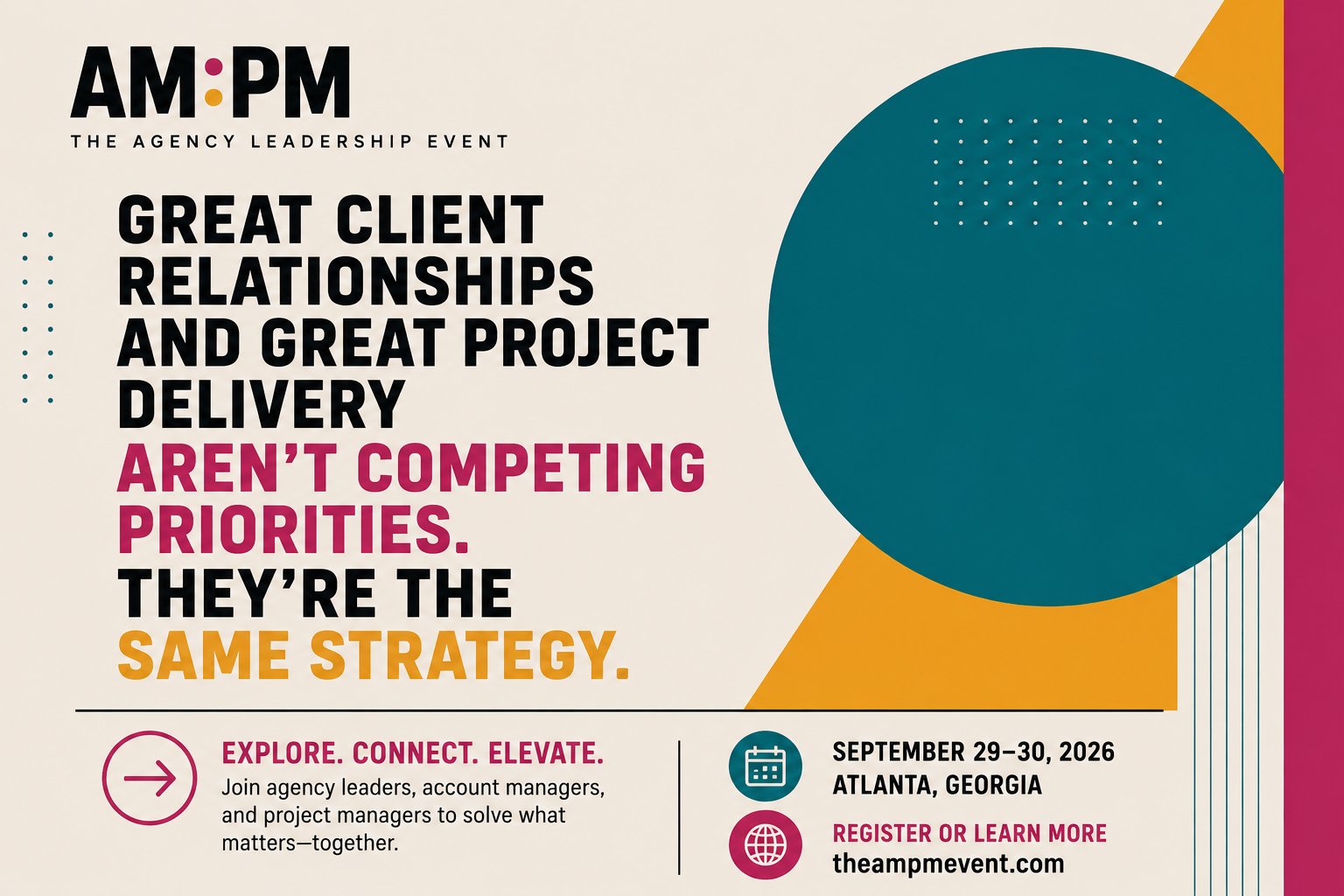
At AM, we’re bringing agency owners, account managers, project managers, and operations leaders together to talk about how the work actually works: where responsibilities overlap, where they don’t, and how better alignment can improve delivery, client relationships, and growth.
Onboarding is not kickoff
One thing that became very clear as we mapped this process is that onboarding and kickoff are two different things.
Onboarding is about how we're going to work together. The account manager and project manager introduce themselves and their roles. They review the scope and timeline and discuss stakeholders, communication, tools, meetings, and expectations. They answer questions and make sure everyone understands what happens next.
Kickoff is about the work itself. That's when we start talking about how we're going to solve the problem together.
Agencies often collapse those two conversations because it feels faster. But asking people to jump into the work before you've established how you're going to work together isn't particularly efficient. It just moves the confusion downstream.
The client experiences one agency
Internally, we care a lot about who owns what. Biz dev owns the sale. The account manager owns the relationship. The project manager owns the boundaries, scope and delivery. But your client doesn't care nearly as much about those distinctions.
They experience one agency.
That means a good handoff isn't just an internal operational concern. It's part of the client experience. When it's done badly, the agency can immediately feel rushed or unprepared. The client gets asked questions they've already answered. Someone seems surprised by something that was discussed during sales. The scope gets interpreted differently. Trust can disappear surprisingly quickly.
When it's done well, the experience is almost boring. The client signs, knows exactly what happens next, meets a team that already understands their business and project, confirms the plan, and gets to work.
That's what good process should feel like.
Design the arrows
You can't make agency sales perfectly predictable. There are too many variables, and trying to force every prospect through exactly the same process isn't realistic. But you can create clear gates around what happens after someone says yes.
You can create some consistency around what needs to happen before work begins, including what information needs to move from sales to the delivery team, who owns the relationship at each stage, and what everyone needs to know before they sit down with the client. The point isn’t to create a rigid process for every engagement. It’s to make sure the team has enough context and comfort to start the work well.
This is something I’ve been thinking about as we prepare for AM:PM in Atlanta this September. We spend a lot of time in agencies defining the responsibilities of account managers and project managers, and there are good reasons for that. But defining the roles only gets us so far. We also have to think about how those roles work together, particularly at the moments when information, responsibility, and relationships are being handed off.
That’s where a lot of the client experience is actually shaped.
T L ; D R - Agencies don’t sell standardized products. Every engagement comes with context, expectations, and nuance that need to make it from sales to the people doing the work. A thoughtful handoff, followed by onboarding before kickoff, gives the team and client a shared understanding of the scope, relationship, and how the work will happen.
 Brett Harned
Join the conversation with me on Linkedin.




Member discussion