

Every project is a group project
Remember group projects in school?
There was always the overachiever who wanted complete control over the assignment, the person who disappeared until the night before it was due, and the classmate who somehow managed to contribute just enough to get credit without doing much work. Every group seemed to have its own mix of personalities, work styles, motivations, and frustrations.
The type of project usually determined what kind of stress you were signing up for.
I dreaded presentations because I was painfully shy as a kid. I'd spend days worrying about standing in front of the class while secretly hoping someone else would volunteer to do most of the talking. Research papers weren't much better. I was usually the kid who got frustrated because I had my section finished while everyone else was still promising they'd get theirs done "this weekend." Creative projects could be even worse. Nothing exposed personality differences faster than asking a group of teenagers to agree on an idea and then actually execute it together.
Even back then, I remember being less concerned with the assignment itself and more concerned with whether everyone was pulling in the same direction.
Looking back, those projects were probably less about learning the subject matter and more about learning how to work with other people.
The funny thing is that most workplaces aren't much different.
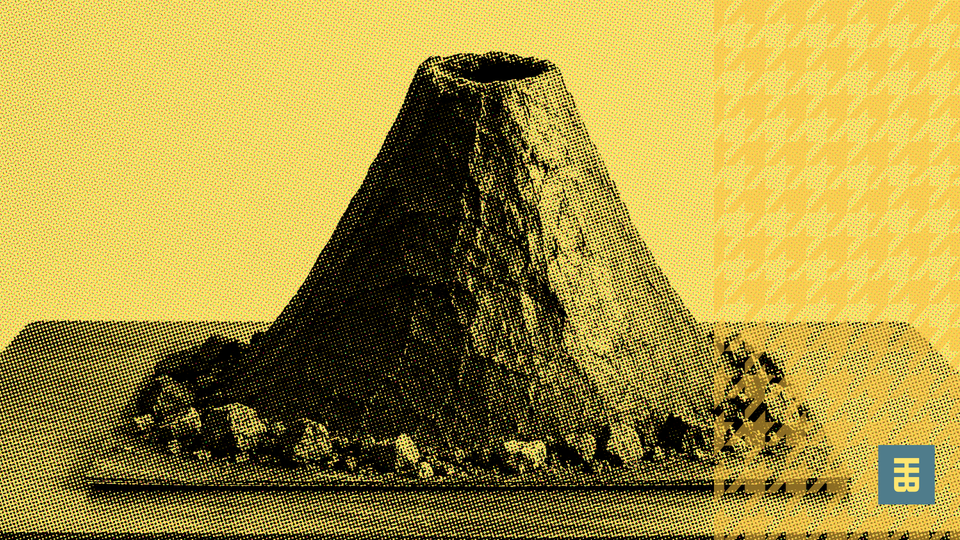
The projects are more complex, the stakes are certainly higher, and hopefully nobody is building a volcano out of papier-mâché anymore. But every project still brings together people with different perspectives, experiences, priorities, communication styles, and ways of thinking. Success still depends on a group of people figuring out how to work together, even when they don't always agree on the best path forward.
Collaboration Isn't the Same Thing as Participation
One of the most frustrating experiences I've had throughout my career is putting significant thought into something, documenting it, sharing it with a colleague, and then receiving back something that barely resembles the original idea.
I'm not talking about feedback. I'm talking about the feeling that your work was used as a starting point rather than something worth engaging with.
Maybe you've experienced this before. You spend time trying to understand a problem, gathering information, organizing your thoughts, and creating enough structure to move a conversation forward. You share it with someone, expecting discussion, questions, debate, or even disagreement. Instead, they come back with a completely different version.
Sometimes the new version is better. Sometimes it isn't. Honestly, that's not what bothers me! What bothers me is when it feels like the original thinking never had a chance.
I've worked with people who would describe themselves as highly collaborative. They're smart, thoughtful people who genuinely care about the work and want to contribute. Yet their version of collaboration often looked like taking an idea, rewriting it, reorganizing it, and presenting it back as a solution before we ever had a chance to talk about the original version.
I don't think most people do this intentionally. In fact, the few times I've talked openly about it with colleagues, they've usually been surprised. They weren't trying to dismiss my work. They weren't trying to take ownership of the idea. They honestly believed they were helping move things forward.
The problem is that moving something forward and collaborating aren't always the same thing. When someone immediately replaces an idea with their own version, they miss the opportunity to understand the thinking behind it. They miss the context and the questions that led to it. They miss the chance to build on something instead of rebuilding it from scratch.
As project managers, we spend a lot of time helping teams collaborate. We facilitate meetings, create plans, organize discussions, and help people make decisions. Yet I think many of us overlook one of the most important parts of collaboration: making space for other people's thinking before introducing our own.
Most of us don't need everyone to agree with our ideas. We don't even need everyone to like them. We just want to know that someone took the time to consider them before moving on to something else.
The Goal Isn't Agreement
One thing I've noticed over the years is that a lot of teams mistake participation for collaboration. Everyone attended the meeting. Everyone reviewed the document. Everyone shared an opinion. Everyone left with something to say about the topic.
On paper, that sounds collaborative.
In practice, I've seen plenty of conversations where people were participating without ever really engaging with each other's thinking. Sometimes it looks like people waiting for their turn to talk. Sometimes it looks like defending a position that was formed before the meeting even started. Sometimes it looks like listening just long enough to figure out how your idea compares to someone else's.
I've done it myself. More than once.
Part of the problem is that many of us have spent years becoming experts in something. We've built careers around solving problems and helping people make decisions. After a while, it becomes easy to assume that your value comes from having the answer.
Someone starts explaining an idea and before they're halfway through, your brain is already racing ahead. You're connecting dots, spotting risks, thinking about alternatives, and figuring out how you would approach it. It feels productive because you're engaged in the conversation. Meanwhile, you've stopped listening.
Some of the best teams I've worked with disagreed regularly. Designers challenged developers. Developers challenged strategists. Clients challenged the team. The team challenged the client. What made those conversations productive wasn't agreement. It was a willingness to stay open to the possibility that someone else might see something they didn't.
A Human-Centered Approach to Collaboration
One of the principles behind human-centered project management is the belief that people matter as much as process. We spend a lot of time creating plans, defining workflows, and building systems to help work move forward. Those things are important. None of them matter very much if the people involved don't feel heard, respected, or valued.
That's especially true when it comes to collaboration.
Every person involved in a project brings a different perspective to the table. That's what makes collaboration valuable in the first place.
Good collaborators recognize that no single person sees the complete picture alone. That's why good collaboration requires more than participation. It requires curiosity, humility, and a willingness to consider that someone else may see something you've missed.
In my experience, the best collaborators aren't necessarily the smartest people in the room. They're the people who make it easier for everyone else to contribute.
Pay Attention to How You Show Up
One of the hardest things about collaboration is that it's easy to spot when someone else is doing it poorly. You know the type: the person who dominates every conversation, dismisses ideas too quickly, or always seems to have an answer before fully understanding the problem.
What's harder is recognizing when you're the one doing it. Cringe!
I cannot lie! I've definitely caught myself walking into meetings with strong opinions, becoming attached to my own ideas, or assuming I understood a situation before I actually did. That's part of being human.
The challenge is being aware of it. Whether we realize it or not, we're constantly teaching people what it's like to work with us. The way we respond to ideas, feedback, and disagreement shapes the environment around us. Over time, people learn whether it's safe to contribute, challenge assumptions, and share honest opinions.
Every Project Is Still a Group Project
I wish I could tell you that I've mastered this. I haven't.
There are days when I become attached to my own ideas. There are days when feedback feels more personal than it should (try having your manuscript reviewed by a panel of experts). There are days when I have to remind myself to stop thinking about my response and actually listen to what someone is saying.
Some days I'm better at it than others.
The longer I do this, the more I think collaboration is something you practice. It requires curiosity, humility, patience, and a willingness to recognize that other people bring perspectives you don't have.
Every project is still a group project. The only difference is that nobody's getting a grade anymore. They're deciding whether they trust you, whether they feel heard, whether they feel respected, and whether they want to work with you again.
In my experience, people rarely remember who had the best idea in the meeting. They remember who helped them do their best work.
T L ; D R - Most people think collaboration means participating. Real collaboration means making space for other people's thinking. The best collaborators aren't the loudest voices or the people with the strongest opinions. They're the people who stay curious, listen well, and help everyone around them do their best work.
Member discussion