

Why your agency process keeps breaking down (and what actually fixes it)
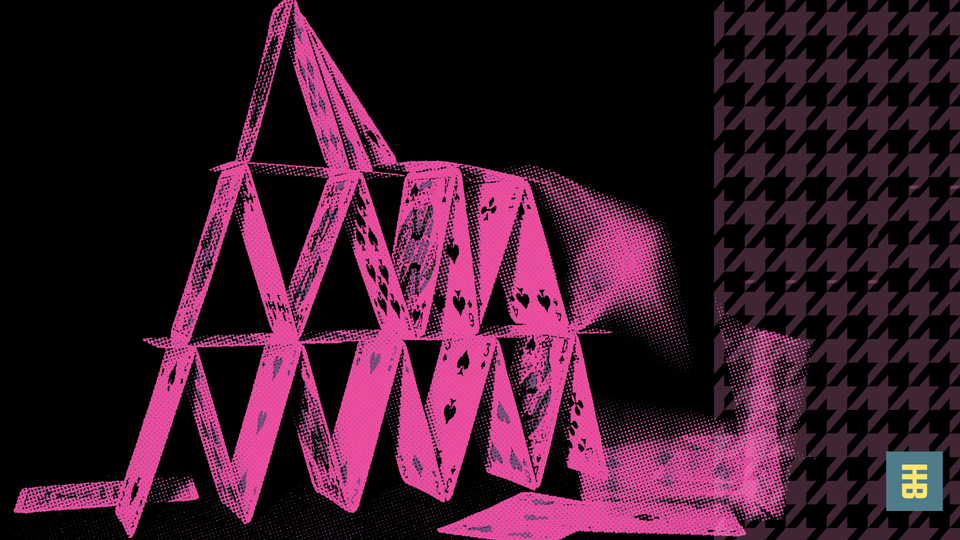
Your project process is pretty damn integral to making sure your work wraps up smoothly—on time, within budget, goals met, and everyone reasonably happy. That level of utopia doesn’t happen often.
Process tends to be treated as something that needs to be tightly defined, documented, and enforced. And sure, that matters. But the more rigid it becomes, the more it starts to work against the reality of how projects actually unfold.
You need to ditch the dogma.
Agencies often lack process definition, adoption, and documentation.
I’ve worked with dozens of agencies, and the common thread is a lack of clear definition and consistent use of process, or even shared principles for how work gets done. Different teams use different tools and methods to accomplish the same things, often clumsily. When new teams come together, no one shows up with the same expectations.
Project managers defer to the talent, who aren’t always great at estimating or tracking time, and teams don’t spend enough time aligning on how they’ll actually work together. Instead, they retreat into their silos. Rinse and repeat. You know you’ve seen it.
That lack of consistency carries over into roles and responsibilities, especially in growing agencies. People aren’t always clear on who owns what, and when that turns into guessing, collaboration suffers, and communication breaks down. And once that happens, the process doesn’t really stand a chance.
Clients have different goals, priorities, and availability
Every client forces you to adapt how your team communicates, collaborates, and presents work. Some are fantastic to work with. Others are…not. Either way, they’re not trained to be good clients in the same way you’re trained to do your job, and that gap shows up in how the work unfolds.
Most of them are juggling a dozen other priorities, managing teams, and navigating internal politics you’ll never fully see. Have empathy for that and educate them where you can, but don’t underestimate how much they can disrupt your process with a single message—or by disappearing entirely. Ghosting, swooping and pooping… you’ve been there, and you’ll see it again.
Why no two agency projects follow the same process
Agency work is full of variables, and no two projects play out the same way, even when they look similar on the surface. Differences in scope, timelines, team composition, client involvement, and technical complexity all show up quickly once the work is underway, and they affect how the process actually needs to function.
That makes estimating harder, planning less predictable, and even well-established workflows harder to rely on. Methods like Agile can help in some environments, but they don’t eliminate the challenge of keeping work on track when conditions keep shifting.
Even with repeatable project types, the details change. Someone is out of the office and a deadline moves. A client goes quiet. A new requirement shows up halfway through. Every project might resemble another at a high level, but once you’re in it, the differences matter.
Business development might not always account for that, but your team feels it immediately.
Why team structure impacts your process more than you think.
Team structure has a direct impact on how process actually plays out, and that varies widely depending on the organization. Boutique agencies often benefit from small, tight-knit teams with strong culture and shared ways of working, though they’re not immune to process issues. Larger agencies tend to assemble bigger teams, often pulling people together who haven’t worked with each other before, which introduces its own challenges.
A lot of this comes down to resourcing and utilization. People are brought into projects with limited context, minimal onboarding, and a need to get moving quickly. Work gets layered across account management, project management, and sometimes leadership, which creates overlap and gaps at the same time.
And that’s where things start to break down. Silos form, communication gets uneven, and the process has to work a lot harder just to keep everyone aligned. Yay for silos.
Why individual differences break even the best process
Every person on your team brings a different mix of experience, perspective, skill, and motivation to the work. That shows up quickly in how they communicate, how they collaborate, and how they respond to structure.
Some people thrive with clear direction and defined expectations. Others are more comfortable adapting as they go. Some can flex across multiple roles, which sounds great until they’re pulled in too many directions and start to lose focus. Without clear boundaries, even your strongest people can end up stretched thin and frustrated.
What each person knows, how much experience they have, and how they approach their work all impact how you need to manage and support them. That includes understanding their level of accountability—whether they need guidance or can take ownership and adjust based on the situation in front of them.
At the end of the day, process doesn’t operate in a vacuum. It operates through people. And people have lives outside of work. They get sick, deal with personal challenges, celebrate big moments, and have days where they’re just not at their best. All of that affects the work whether you plan for it or not.
If your process can’t account for that, it’s going to break.
Why project and account management often fall out of sync
Roles are often unclear, and that confusion shows up most between project and account management. Both sides influence the work, both interact with the client, and without a clear understanding of who owns what, things start to slip. This gets even more complicated when a client is difficult or unpredictable.
“Everything’s on fire!”
“Hurry, figure it out and email them back!”
“I just got off a call with them.”
“What did they say?”
“I’m in meetings til 5. Tomorrow?”
It happens all the time.
And it’s more than just frustrating. Every disconnected conversation with a client creates gaps in understanding, and those gaps put pressure on the process. When PMs and AMs aren’t aligned, the team isn’t managing the work. They’re chasing it.
Clear role definition, shared expectations, and consistent communication help, but they only go so far. PMs and AMs still need to work together to interpret what’s happening with the client and adjust in real time to keep the work moving.
Why every project needs a flexible approach
Your project process is too complex to be solved by a single framework or a step-by-step approach. The variables across clients, projects, teams, and individuals make that clear.
What matters is how you respond to those variables.
That means paying attention to the nuances of each project and building practices that give you the flexibility to adapt as things change. It takes more thought and more intention, but it’s what allows your team to stay aligned and keep the work moving when conditions aren’t ideal.
The teams that do this well don’t rely on process to carry them. They use it as a guide, adjust it when needed, and stay focused on what the work actually requires in the moment.
Without that, it’s just documentation.
If your process feels like it’s working harder than it should, I can help.
I work with teams to diagnose what’s actually happening across projects, clients, and roles, then build practical ways of working that hold up in real conditions.
T L ; D R - Clients, projects, and teams are unpredictable. A rigid process won’t hold. Adaptability will.
Member discussion