
The Horned Helmet Problem
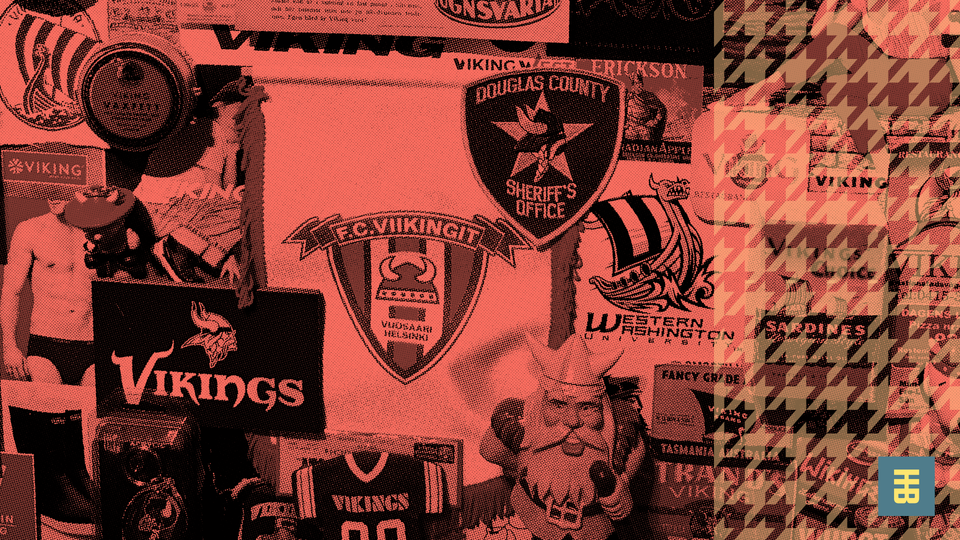
I visited the Viking Museum while I was in Stockholm.
Was it my favorite stop on the trip? No. That honor probably goes to wandering the record shops, pausing for fika, and wandering the city. But there was one thing I learned at the museum that has stuck with me ever since.
Like a lot of people, I had a pretty clear picture of what Vikings looked like. Big, muscular warriors wearing horned helmets with long beards that could house a family of four.
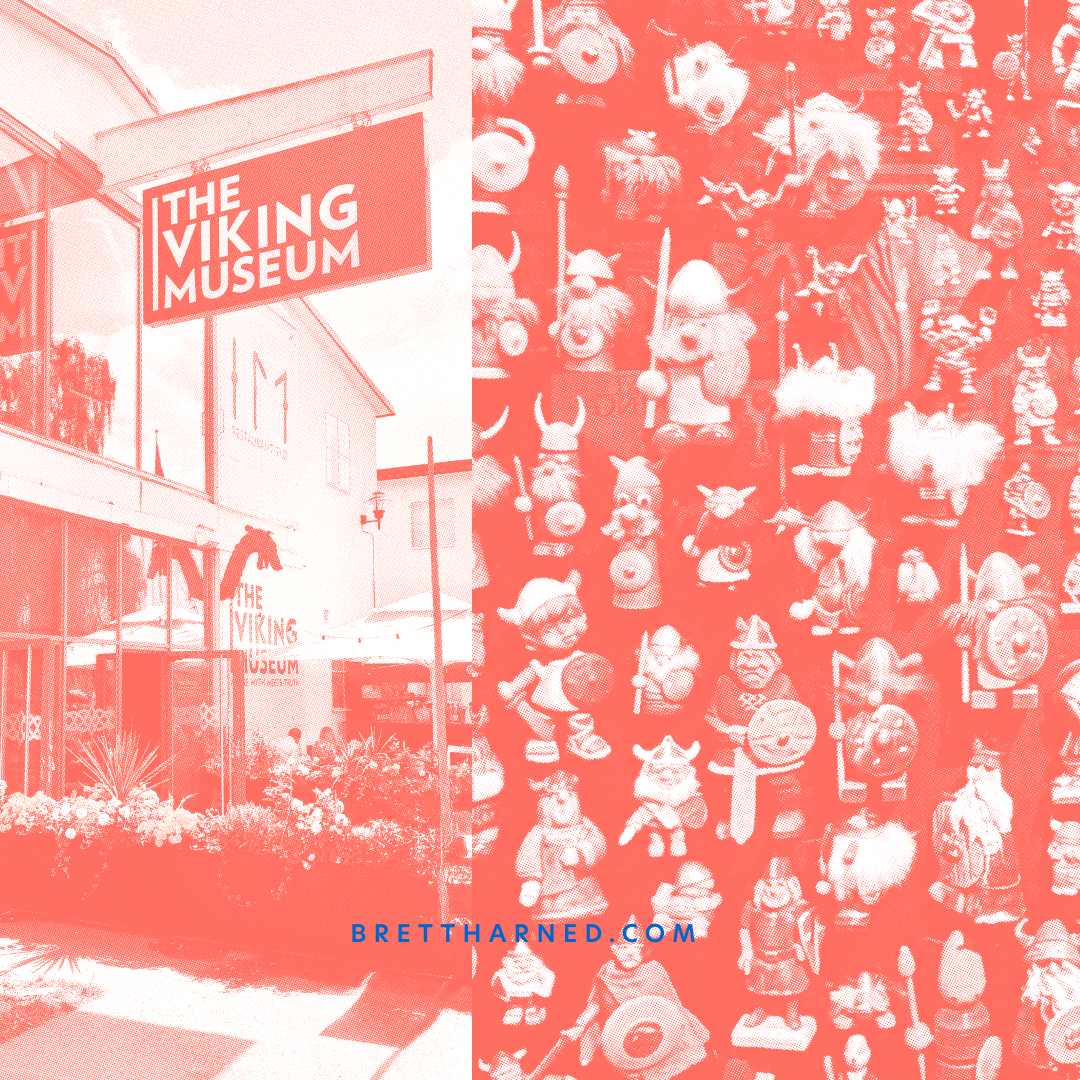
Turns out, much of that image is fiction. (Here's a link I found to support what I learned at the Museum.)
The famous horned helmets? There's no evidence Vikings actually wore them. Much of what we think of as "the Viking look" was created centuries later by artists, costume designers, and storytellers. Over time, those interpretations became more recognizable than the historical record.
I'm calling it the Horned Helmet Problem™ ;). Somewhere along the way, the popular version of the story became more memorable than the original.
So, because I'm a nerd who spends a lot of time thinking and writing about project management, my brain immediately started making connections. Projects have their own version of the Horned Helmet Problem.
Bare with me here...
Projects evolve, too.
Every project begins with a plan. We write a brief, define goals, estimate effort, and agree on what success looks like. That's important work because everyone needs a shared understanding of where they're headed.
But projects aren't museum exhibits frozen in time.
As the work moves forward, people learn more. New ideas emerge. Stakeholders see possibilities they hadn't considered before. Sometimes business priorities shift. Sometimes a prototype sparks a conversation that completely changes the direction of the work. Occasionally, yes, scope grows because nobody managed expectations. More often than people admit, though, projects evolve because everyone discovers a better opportunity than the one they originally set out to solve.
The Zappos project
Many moons ago, I worked for an agency that was hired to partner with the UX team at Zappos. It was my first project at the agency as a senior PM, and the project kicked off the week I joined the team. It was exciting and stressful, but mostly because it was new. And it was Zappos!
On paper, it was a website redesign. We toured their kooky office, kicked things off with workshops, spent time with the team at dinner in Vegas, and really got to know them. We learned their language, what made them different, and the personality they wanted customers to experience.
As the project came together, Kevin Sharon, the designer I was working with, started creating concepts that felt unmistakably Zappos. The rest of us found ourselves contributing, too. We'd throw out headlines, bits of copy, and little moments of delight that made their way into Kevin's designs. None of that was in the original scope. It happened because we'd built enough trust to create together instead of simply delivering work to a client.
They loved it.
What surprised me was what happened after the project ended. Elements of Kevin's work started showing up in other parts of the business, from marketing materials to customer touchpoints that we were never hired to create.
Months later, I was walking through O'Hare Airport when I looked down and saw Kevin's design wrapped around the TSA security bins. I remember laughing because I had no idea the work had taken on a life of its own.
Trust changes the project
That story popped back into my head as I looked through my photos from the Viking Museum that day.
The version of Vikings that most of us picture today didn't exist from the beginning. It evolved over time as people kept adding to the story. Projects do, too.
A good brief gives you a place to start, but it shouldn't define where you end up. Some of the best work happens after you've built trust, learned each other's language, and discovered opportunities that nobody could have predicted during kickoff.
That's what happened on the Zappos project. We thought we were redesigning a website. Instead, we became part of a much bigger creative conversation.
Maybe that's a strange connection to make in a Viking museum. But that's where my brain went.
T L ; D R - The Viking Museum reminded me that the stories we tell often evolve over time. The same is true of projects. A good brief is the starting point, but trust, collaboration, and shared discovery are what shape the best outcomes.
Member discussion