

How strong projects run when the PM is out sick

How simple, everyday PM behaviors keep work moving even when you're not in the room.
I’ve been battling a cold for the past week. The kind that teases you with a “maybe I’m getting better” moment before knocking you flat again. I thought the cold was gone until this morning, when I woke up in a fog, feeling like the cold had officially claimed victory.
My first thought wasn’t, “I should rest.” It was, “If I slow down, everything is going to snowball.”
If you manage projects or people, you know that instinct. It’s not self-sacrifice, and it’s not ego. It’s a learned reflex. You’ve lived through the day you stepped away and returned to 87 emails, a client waiting on a decision you didn’t know they needed, and a team guessing their way through next steps. It doesn’t take long for your body to associate “calling out sick” with “inviting chaos.”
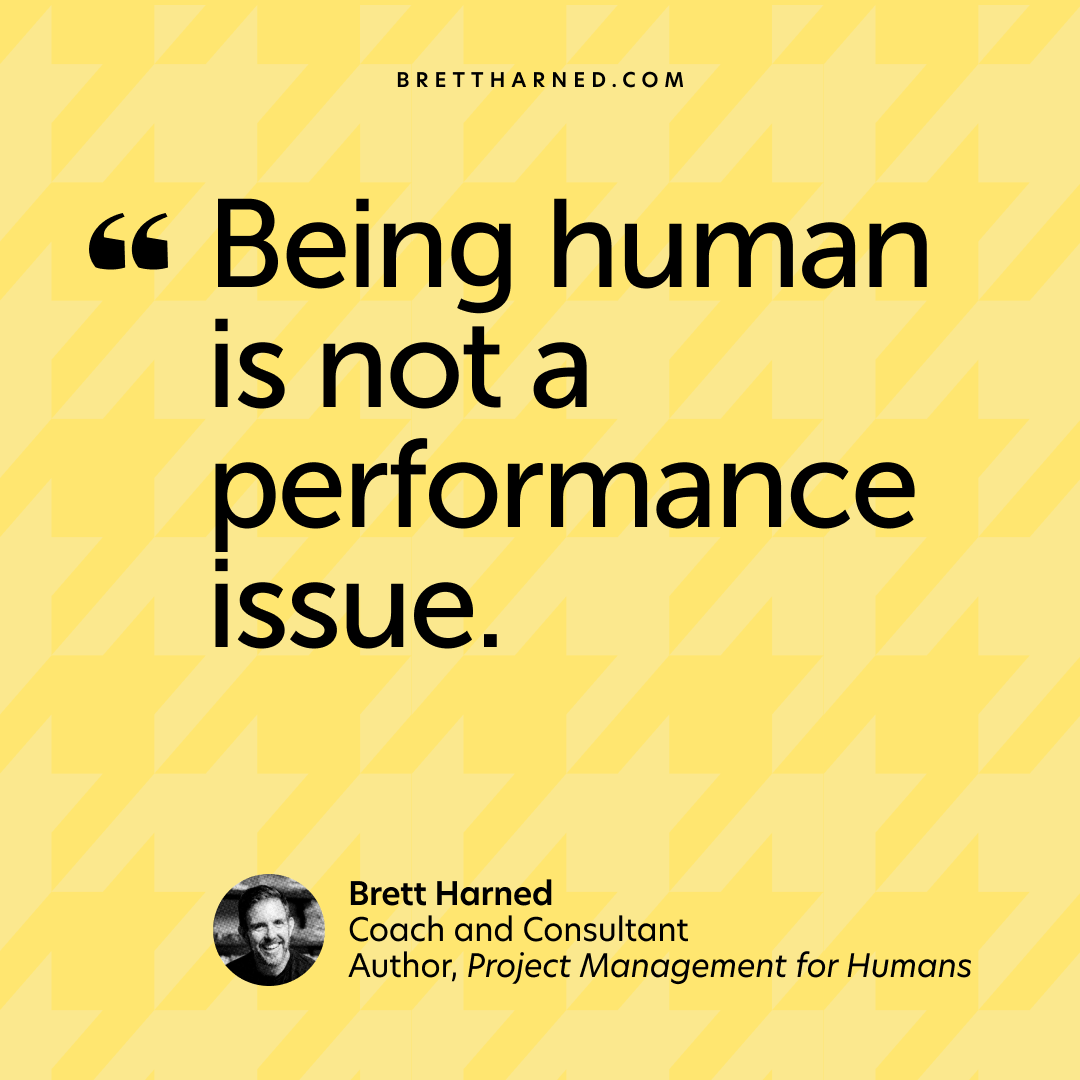
But every time I hit this wall, I’m reminded that being human is not a performance issue. And honestly, a project that falls apart because you weren’t available for one morning was never as healthy as you thought.
The best PMs I know don’t just manage projects. They build projects that can move without them.
This isn’t some aspirational ideal. It’s a set of behaviors practiced quietly, consistently and usually without applause. But on the days when you wake up feeling like a NyQuil commercial, these behaviors are the difference between panic and peace.
Behaviors that keep projects moving even when you can’t
These aren’t grand strategies or complicated frameworks. They’re small, repeatable behaviors that strengthen a project long before you need to step away. When practiced consistently, they create a team that can keep moving with confidence, even on the days when you’re not at your best.
1. Expectations aren’t a secret, they’re a rhythm.
Strong PMs don’t wait for a crisis to say what they need. They create patterns the team can rely on.
For example, if your Monday update always clarifies what’s in motion, what’s blocked, and what decisions are coming up, your team already knows what to tackle when you’re not there to say it. They aren’t refreshing their inbox wondering whether they should start something or wait for direction.
Consistency becomes leadership. And leadership outlives the leader’s sick day.
2. People know what to do because you’ve already shown them.
Projects stall when knowledge is locked inside one person’s head. I once worked with a PM who kept the entire client schedule…in her brain. She got the flu and, for three days, everyone was guessing deadlines like it was a team-building game.
When you share context early and often, the team doesn’t freeze when your name doesn’t light up on Slack. They act because they understand the “why,” not just the “what.”
3. Decisions don’t live in your inbox.
A project shouldn’t spin out because one question sat unanswered in one person’s inbox. Good PMs make decisions visible and accessible: they capture them in shared notes, assign clear owners, and outline dependencies so no one has to guess what happens next.
When you do that work up front, someone else can confidently say, “Yes, we already agreed on this,” instead of “I think <insert your the PM's name here> mentioned something about that? Maybe? Possibly? I don’t want to click the wrong thing.”
4. Delegation isn’t a sign of weakness, it’s a training plan.
A lot of PMs avoid delegating because it feels faster to just do it themselves. And sure, it is faster…on a normal day. But delegation isn’t just about distributing tasks. It’s about building people’s capacity to lead moments without you. If you’re the only one who can run the client status or adjust the timeline, that’s not a compliment. It’s a risk.
Teach someone once and you free up future you. Teach no one and future you will resent past you.
5. You model the behavior you want to normalize.
When you tell your team, “I’m low energy today, so I’m prioritizing one critical item,” you give everyone else permission to be honest too. This is how sustainable teams operate. It’s also how you avoid the quiet, corrosive culture where everyone pretends they’re fine until they’re absolutely not.
We’re rolling out a membership in 2026 designed for the human-centered project manager of today. Practical, real, and built from lived experience.
Follow Same Team Partners and don’t miss the launch.
These behaviors don’t eliminate chaos, but they distribute it. They make room for human moments, like the morning you wake up with a sore throat and a voice that sounds like you swallowed gravel. They reduce the fear that everything will collapse if you take a day to recover.
And they help you remember something that’s easy to forget when you pride yourself on being reliable and steady: the snowball is rarely as dramatic as your brain suggests. Most work can wait. Most teams can handle more than we give them credit for. Most projects benefit from slowing down for one day instead of rushing toward burnout.
So if you’re out there sick, exhausted, overwhelmed, or simply operating at half battery, take the pressure off. Do the one thing that matters. Let everything else simmer.
Your project will survive it. Your team will survive it. And so will you.
TL;DR - PMs often push through illness out of fear that everything will snowball without them, but strong projects aren’t dependent on any one person. Build resilience through shared context, clear expectations, visible decisions, and real delegation. When you need to rest, rest. The work will still be there and the world won’t fall apart because you took a day to be human.
Member discussion